1 Which of Following Cells Are Targeted by Hiv
Then HIV kills the CD4 cell and the new HIV copies find other CD4 cells to get inside and start the cycle again. Early infant diagnosis EID and treatment of HIV remains a global public health priority.

Molecular Mechanism Of Hiv 1 Entry Trends In Microbiology
HIV gets inside the CD4 cell and makes copies of itself.

. Induction of broadly neutralizing antibodies bnAbs is a major HIV vaccine goal. The present study demonstrates that PKC412 potently activates HIV-1 latency from the HIV-1 latently infected ACH2 cell line and primary resting CD4 T cells by activating the NF-κB pathway. During the Children with HIV Early Antiretroviral Therapy trial infants were randomly assigned to receive deferred therapy versus early combined 3-drug antiretroviral therapy cART at a median age of 74 weeks.
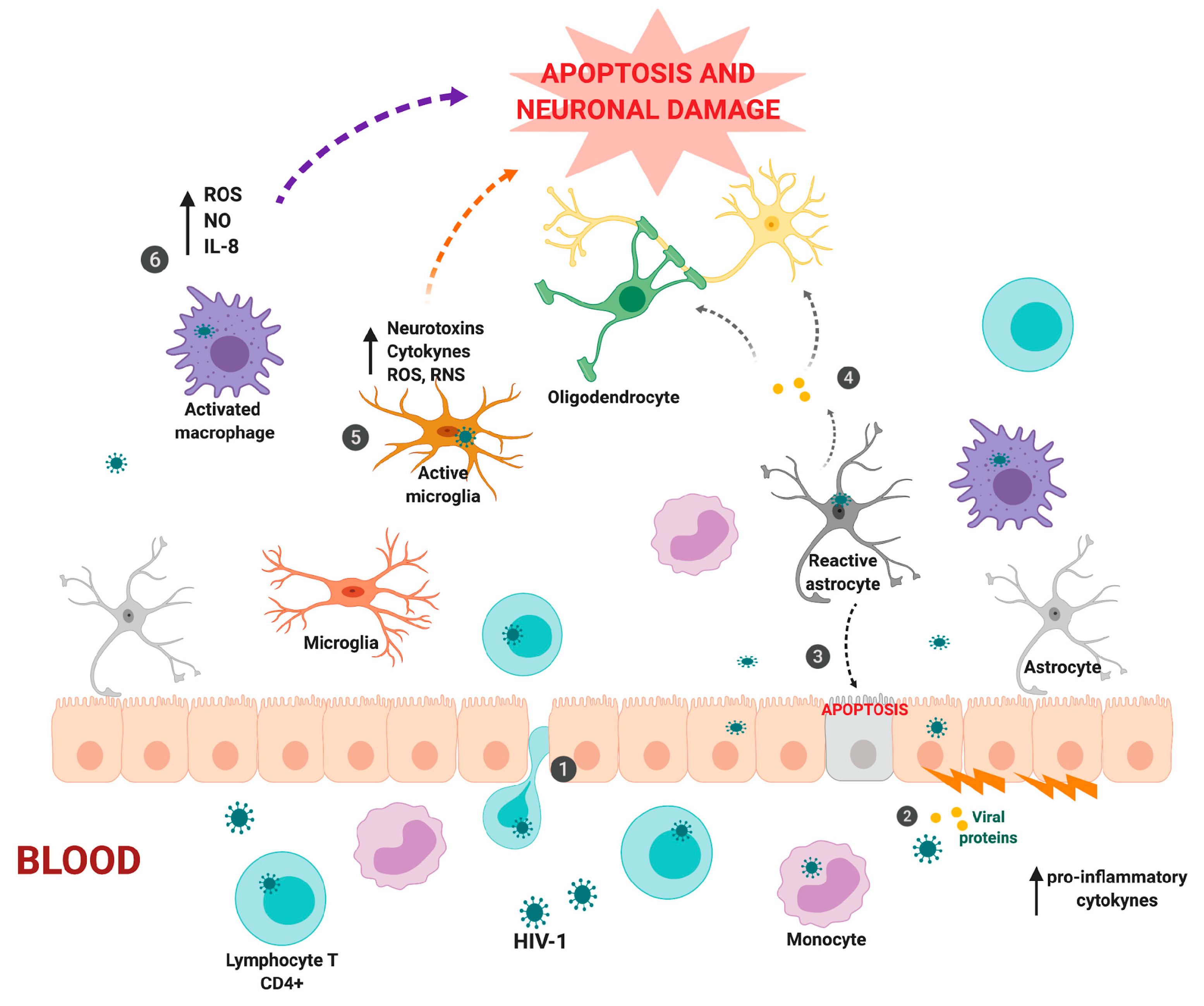
The most prominent HIV-1 cell reservoirs are resting CD4 T cells and brain derived microglial cells. 1 are the most recognized and studied immune cells in HIV researchDepletion of these important immune cells is the hallmark of HIV infection 18 and contributes to the symptomatic manifestation that characterizes AIDS 19. Read The History Facts.
Genetic differences between the two viruses mean that diagnosis and treatment of. Critical unmet challenges are to determine whether bnAb precursor naïve B cells bind germline-targeting immunogens and occur at sufficient frequency in humans for reliable. HIV finds the white blood cells called CD4 cells.
Reducing the pool of HIV-1 reservoirs in patients is a must to achieve functional cure. Many kinds of white blood cells to fight infections. The immune system tries to control HIV by making more CD4 cells.
An attractive way to target HIV-1 life cycle that may be less sensitive to viral mutagenesis is the direct targeting of host cell factors that are utilized by the virus. Germline-targeting immunogens aim to initiate bnAb induction by activating bnAb germline precursor B cells. HIV-1 and HIV-2 are the two main types of HIV.
In the case of the 293 cells cotransfected with the HIV-1 pNL4-3 proviral DNA and the siRNA-producing constructs we were able to achieve up to 4 logs of inhibition of expression from. Natural killer NK cells are important effectors of innate immunity playing a key role in the eradication and clearance of viral infections. Innate immune cells eg dendritic cells and natural killer cells are the first line of defence which HIV encounters upon entry to the body.
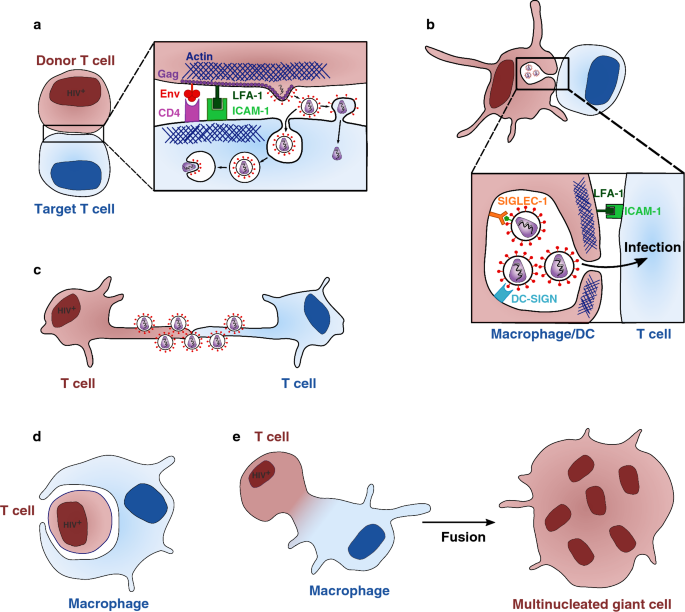
However macrophages B cells monocytes and other cells in the body can. Most people with HIV have HIV-1. Tissue macrophages are one of the target cells for HIV.
Among these resting CD4 T cells have been the most extensively studied and are considered to be the major obstacle to HIV-1 eradication. Base editing can install targeted point mutations in cellular genomes and can thus efficiently inactivate genes by introducing stop codons or eliminating start codons without double-stranded DNA. But when the immune system.
Total DNA in CD4 T cells at day 876 after transplantation was undetectable in all replicates by ultra-sensitive qPCR. 5 Early HIV diagnosis and antiretroviral therapy irrespective of clinical stage or CD4. Infected microglial cells are believed to be the source of peripheral tissues reseedings and the emergence of drug resistance.
Ii data proving that Th17 CD4 T cells are a preferential target for HIV reservoirs. Here we found that PSGL-1 and CD43 expression inhibits HIV spreading infection. We recently reported that efficient HIV-1 transmission occurs following 1 h of polarized exposure of the inner but not outer foreskin to HIV-1-infected cells but not to cell-free virus.
Over the recent years several studies have shown that HIV-1 pathologically changes NK cell homeostasis and. This review examines the current state of knowledge about. The recovery of CD4 count was slow.
Ad 1 In 7 People Living With HIV In The US Didnt Know It. The PSGL-1 level is greatly up-regulated during inflammation. See Diagnosis vs Prevalence Based Data The Role They Play In Helping End The Epidemic.
Although stem cell transplantation is not a therapy for HIV its effects in patients living with HIV and undergoing therapy for blood or lymph cancers provide researchers with insights and potential targets in HIV treatment. At this early time point Langerhans cells LCs and T-cells within the inner foreskin epidermis are the first cells targeted by the virus. These macrophages harbour the virus.
In this report we describe a mammalian Pol III promoter system capable of expressing functional double-stranded siRNAs following transfection into human cells. And iii cellular and molecular mechanisms contributing to HIV infection and HIV replication in Th17 CD4 T cells. This study provides new insights into activators of HIV latency and it also provides compelling evidence for a novel HIV eradication strategy.
CD4 T Cells. Clearing infected cells from the brain is therefore crucial. For experiments employing Env from the T-tropic HIV-1 LAV strain target cells were co-infected with recom-binant vaccinia viruses vCB21R-LacZ encoding â-galactosi-dase and vCBYF1-fusin31 encoding CXCR4 and effector cells with vCB4132 encoding Env from HIV-1 LAV and.
I the definition and characteristics of conventional and unconventional Th17 CD4 T cells. PSGL-1 and CD43 are surface glycoproteins expressed on blood CD4 T cells to bind to selectins for T cell tethering rolling and migration into inflamed tissues. This study provides hope for the use of cord blood cells or a combination of cord blood cells and haploidentical half-matched grafts to achieve HIV-1.
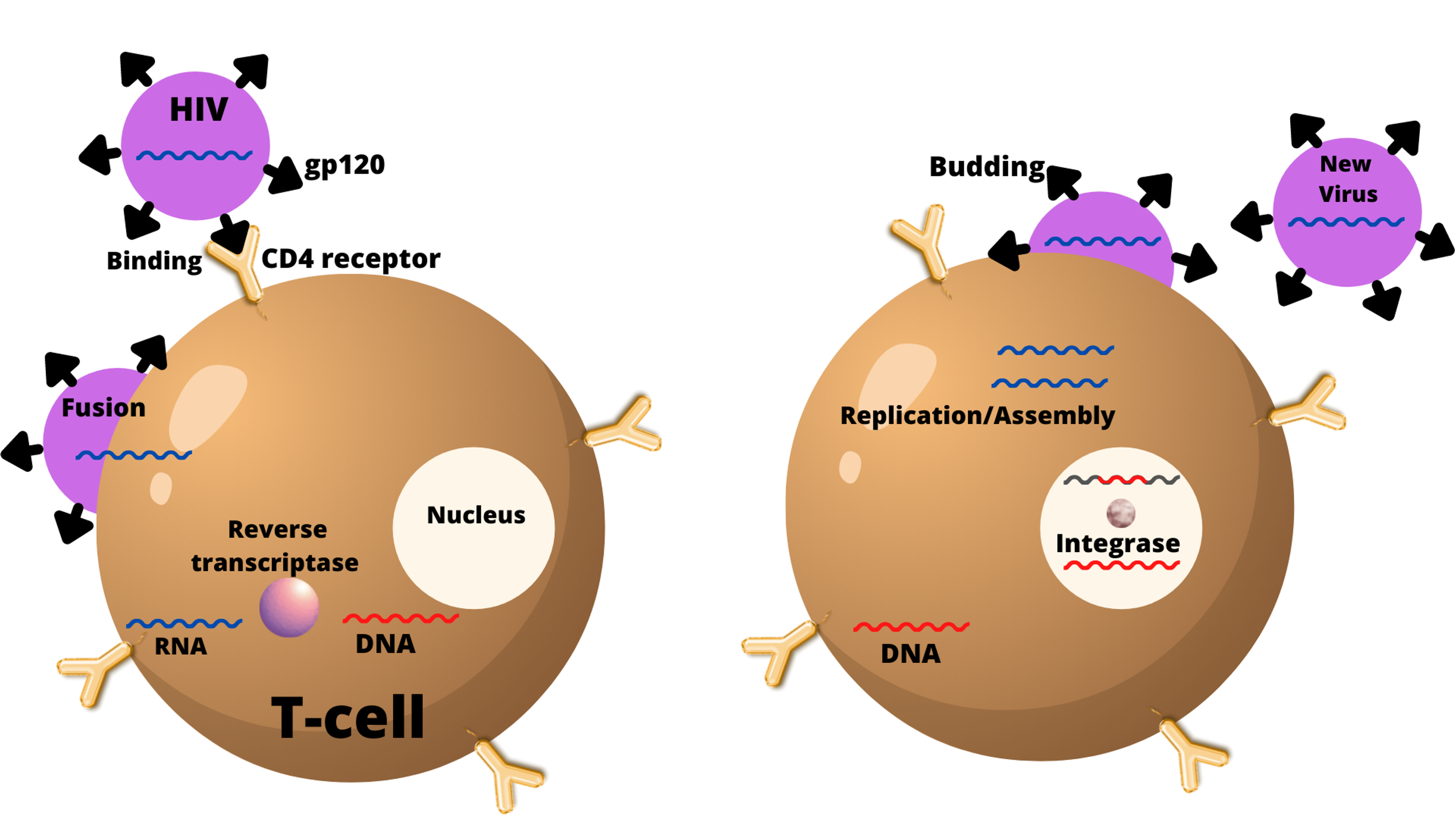
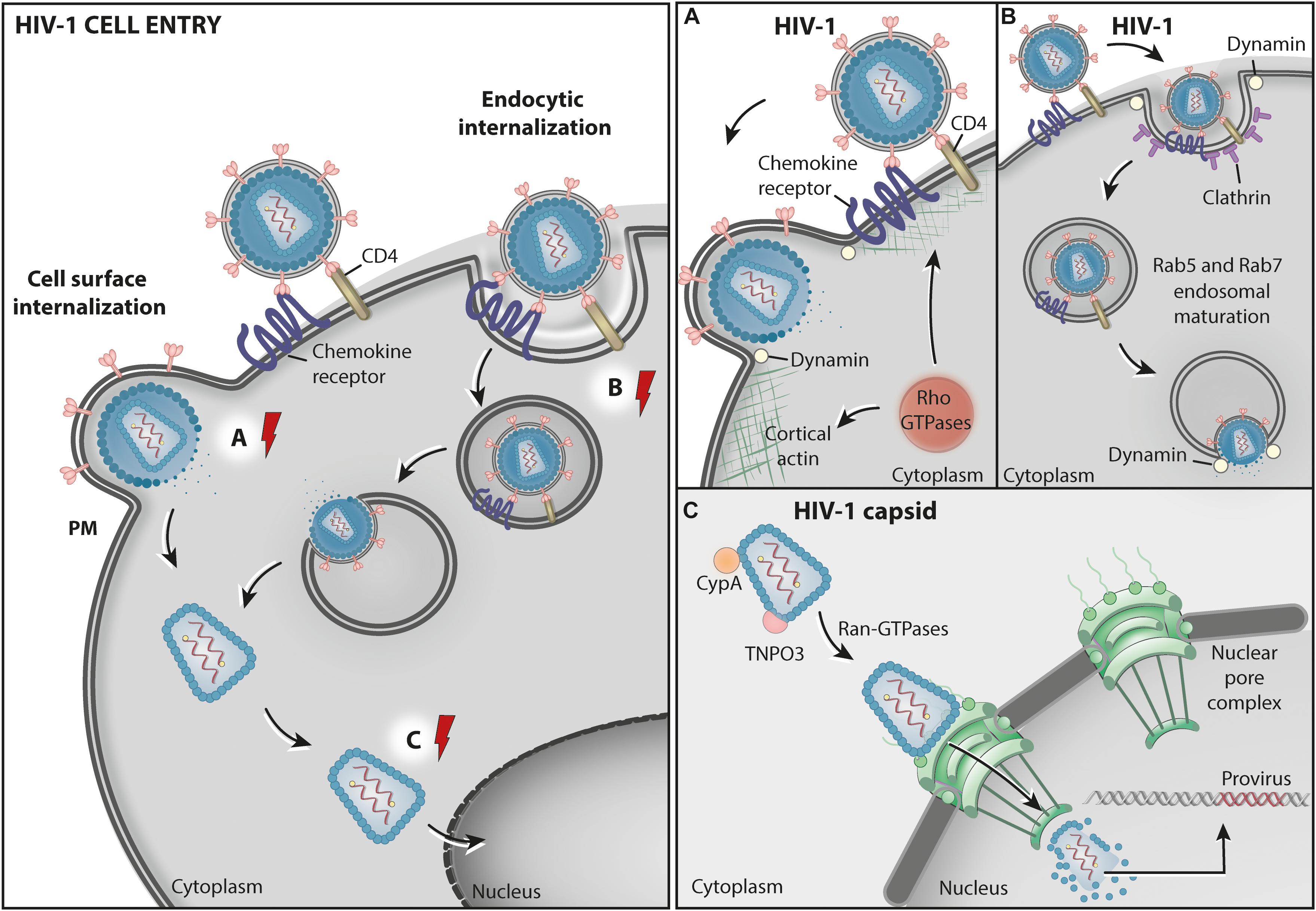
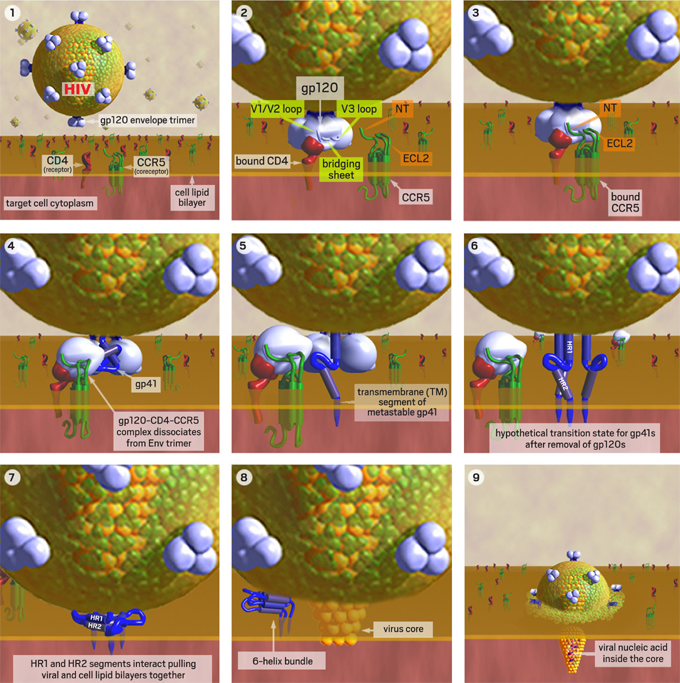
As the major targets for HIV T helper cells CD4 T cells Fig. When the HIV virion has found target cells CD4 T-cells the virus surface glycoprotein gp120 binds to a cell receptor or co-receptors such as chemokine CC receptor 5 CCR5 or chemokine CXC receptor 4 CXCR4 also responsible for the HIV entry into lymphocytes and macrophages. HIV-1 entry to macrophages and CD4 T cells is mediated through interaction of the virion envelope glycoproteins gp120 with the CD4 molecule on the target cells membrane and also with chemokine co-receptors.
This is hypothesized to be a result of treatment with. B-SC-1 cells were used for both target and effector cell populations. For this reason in recent years a substantial effort has been put to identification of druggable host cell factors that are involved in HIV-1 replication.
Moreover HIV -1 specific CD8 and CD4 T-cell responses remained absent in the 24 months following therapy. A small fraction 0216410 6 of resting CD4 T. However direct versus indirect reductions of these T cells within HIV.
HIV can infect a variety of immune cells such as CD4 T cells macrophages and microglial cells. T cells are the main target of HIV in the blood and they act as the host that the virus needs in order to replicate. Abstract Disruption of CCR5 or CXCR4 the main human immunodeficiency virus type 1 HIV-1 co-receptors has been shown to protect primary human CD4 T cells from HIV-1 infection.

Immune Checkpoint Blockade In Hiv Ebiomedicine

Viral Reservoirs In Elite Controllers Of Hiv 1 Infection Implications For Hiv Cure Strategies Ebiomedicine
Viruses Free Full Text The Incorporation Of Host Proteins Into The External Hiv 1 Envelope Html

Evolution During Primary Hiv Infection Does Not Require Adaptive Immune Selection Pnas

Pin On Hiv 101

Preventive And Therapeutic Features Of Broadly Neutralising Monoclonal Antibodies Against Hiv 1 The Lancet Hiv

How Hiv Affects The Body Hiv Transmission Disease Progression More
In Vitro Characterization Of Engineered Red Blood Cells As Viral Traps Against Hiv 1 And Sars Cov 2 Molecular Therapy Methods Clinical Development
Cureus Stem Cell Therapy And Its Significance In Hiv Infection

Pin On Our Infographics

Human Immunodeficiency Virus Hiv British Society For Immunology
Frontiers Hiv 1 Hijacking Of Host Atpases And Gtpases That Control Protein Trafficking Cell And Developmental Biology

Inflammatory And Immunometabolic Consequences Of Gut Dysfunction In Hiv Parallels With Ibd And Implications For Reservoir Persistence And Non Aids Comorbidities Ebiomedicine

Human Immunodeficiency Virus Hiv British Society For Immunology
Hiv Tropism

Human Immunodeficiency Virus Hiv British Society For Immunology
Cells Free Full Text New Challenges Of Hiv 1 Infection How Hiv 1 Attacks And Resides In The Central Nervous System Html
Hiv 1 Cell To Cell Transmission And Broadly Neutralizing Antibodies Springerlink

Hiv Resistant And Hiv Specific Car Modified Cd4 T Cells Mitigate Hiv Disease Progression And Confer Cd4 T Cell Help In Vivo Molecular Therapy


Comments
Post a Comment